
Exploring the intricacies of roof replacement cost in the USA, this guide delves into the various factors that impact pricing, the types of materials used, labor expenses, and cost-saving strategies. By the end of this article, you'll have a clear understanding of what to expect when considering a roof replacement project.
Overview of Roof Replacement Cost in the USA
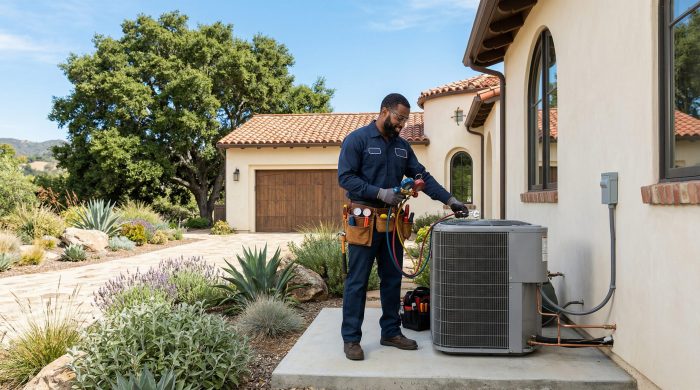
When considering roof replacement costs in the USA, there are several factors that influence the overall price. These factors include the region you are located in, the size of your roof, the type of roofing material used, and any additional features or complexities.
Average Cost Range for Roof Replacement in Different Regions
The average cost of roof replacement can vary significantly depending on the region in the USA. For example, in the Midwest, the average cost may range from $5,000 to $9,000, while in the Northeast, it could be between $7,000 and $12,000.
In the South, the average cost may fall between $5,000 and $10,000, and in the West, it could range from $6,000 to $11,000.
How Size and Type of Roof Affect Replacement Costs
The size of your roof is a major factor in determining the cost of replacement. Larger roofs will naturally require more materials and labor, resulting in a higher overall cost. Additionally, the type of roofing material used can also impact the cost.
For example, asphalt shingles are generally more affordable to replace compared to metal or slate roofing.
Types of Roofing Materials and Their Costs

When it comes to roofing materials in the USA, there are several options available, each with its own cost and benefits. Let's take a look at some of the most common roofing materials used and their associated costs.
Asphalt Shingles
Asphalt shingles are one of the most popular choices for roofing in the USA due to their affordability. On average, the cost of asphalt shingles ranges from $1 to $4 per square foot. While they may not be the most durable option, they typically last around 20 years.
Metal Roofing
Metal roofing is known for its longevity and durability. The cost of metal roofing materials can range from $5 to $12 per square foot. Although the initial cost may be higher, metal roofs can last 40-70 years, making them a cost-effective option in the long run.
Tile Roofing
Tile roofing is a popular choice in regions with warmer climates due to its ability to reflect sunlight and withstand high temperatures. The cost of tile roofing materials can range from $10 to $20 per square foot. With proper maintenance, tile roofs can last 50 years or more.
Wood Shingles
Wood shingles provide a natural and rustic look to a home but come at a higher cost compared to other materials. The cost of wood shingles can range from $6 to $10 per square foot. While they offer a unique aesthetic, wood shingles may need more maintenance and have a lifespan of around 20-30 years.
Labor Costs and Installation Expenses

When it comes to roof replacement projects in the USA, labor costs and installation expenses play a significant role in determining the overall cost. Let's delve deeper into these aspects.
Labor Costs Involved
- Roofer's hourly rate: Roofing contractors typically charge an hourly rate for their labor, which can vary based on the region and the experience of the roofer.
- Crew size: The number of workers required for the project can impact labor costs. Larger crews may be needed for complex or larger roofs, leading to higher labor expenses.
- Duration of the project: The time taken to complete the roof replacement will also influence labor costs. Longer projects may incur higher labor charges.
Installation Expenses Based on Roof Design
- Complexity of the roof design: Roof designs with multiple angles, slopes, or intricate features can require more time and skill to install, leading to higher installation expenses.
- Type of roofing material: Certain roofing materials are more challenging to install, requiring specialized techniques and expertise, which can increase installation costs.
- Underlayment and insulation: Additional components like underlayment and insulation, necessary for proper roof installation, can add to the overall expenses.
Additional Charges
- Permits: Depending on local regulations, obtaining permits for the roof replacement project may incur additional fees.
- Disposal fees: Disposing of old roofing materials and waste generated during the project may involve extra charges for transportation and disposal.
- Cleanup costs: After the installation is complete, cleanup and debris removal services may be required, adding to the total expenses.
Cost-Saving Tips and Strategies
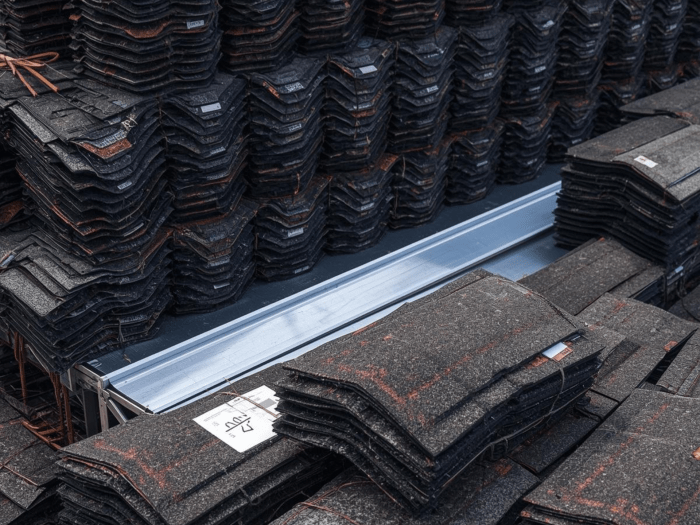
When it comes to replacing a roof, costs can quickly add up. However, there are several strategies homeowners can implement to save money on roof replacement expenses.
Schedule Roof Replacements During Off-Peak Seasons
Scheduling roof replacements during off-peak seasons, such as late fall or early spring, can result in cost savings. During these times, roofing companies may offer discounts or promotions to attract more customers. Additionally, the demand for roofing services tends to be lower, which can lead to more competitive pricing.
Regular Maintenance to Extend Lifespan
Regular maintenance of your roof can help extend its lifespan and prevent the need for premature replacement. Simple tasks such as cleaning gutters, inspecting for damage, and fixing minor issues can go a long way in preserving the integrity of your roof.
By staying proactive with maintenance, you can avoid costly repairs or replacements down the line.
Last Point
In conclusion, navigating the realm of roof replacement costs in the USA involves understanding the nuances of materials, labor, and maintenance. Armed with the knowledge from this guide, homeowners can make informed decisions when it comes to replacing their roof.
Helpful Answers
What factors influence roof replacement costs?
The factors include the size of the roof, type of materials used, labor costs, and any additional expenses like permits and disposal fees.
How can homeowners reduce roof replacement costs?
Homeowners can save costs by scheduling replacements during off-peak seasons, investing in regular maintenance, and exploring cost-effective roofing materials.
What are the average cost ranges for roof replacement in different regions of the USA?
Costs can vary depending on the region, with factors like material prices, labor costs, and demand influencing the overall pricing.