
As roof installation warranty services take the spotlight, this introduction invites readers into a realm of knowledge and insight, promising an informative and engaging read.
In the following section, we will delve into the key aspects surrounding roof installation warranty services, shedding light on their importance and implications.
Importance of Roof Installation Warranty Services
Having a warranty for roof installation services is crucial for homeowners and building owners alike. It provides a sense of security and assurance that the work done on their roofs is protected in case of any issues that may arise.
This added layer of protection can save customers from unexpected expenses and stress in the future.
Benefits of Warranty Services
- Protection from leaks and water damage
- Coverage for material defects or workmanship errors
- Potential savings on repairs or replacements
- Peace of mind knowing that the roofing company stands behind their work
Enhancing Customer Satisfaction
Warranty services can cover a wide range of potential issues that customers may face with their roofs, such as leaks, faulty materials, or installation errors. By addressing these issues promptly and efficiently, roofing companies can greatly enhance customer satisfaction and trust in their services.
Improving Credibility and Reputation
When a roofing company offers a solid warranty for their installation services, it demonstrates their confidence in the quality of their work. This can boost their credibility in the industry and enhance their reputation among homeowners and building owners. Customers are more likely to choose a roofing company with a reliable warranty, knowing that they are committed to providing excellent service and standing by their work.
Types of Roof Installation Warranties
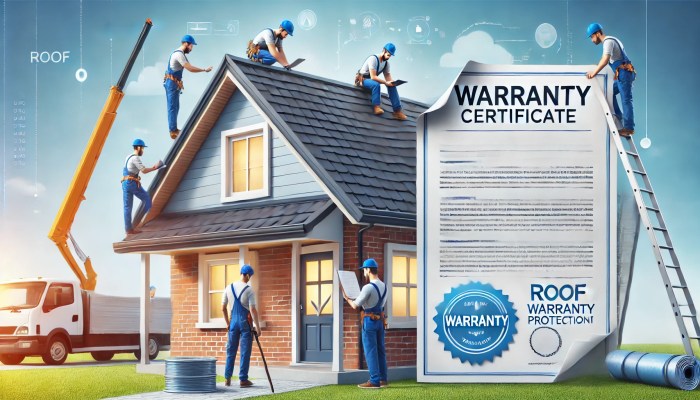
Roofing companies typically offer different types of warranties to provide coverage for their customers. It is important to understand the various options available to ensure you choose the best warranty for your needs.
Standard Warranties vs. Extended Warranties
Standard warranties are usually included with the initial installation of the roof and cover basic issues such as defects in materials or workmanship for a limited period, often ranging from 1 to 10 years. On the other hand, extended warranties offer additional coverage beyond the standard warranty, usually for a longer duration and may include more comprehensive protection.
Material Warranties vs. Workmanship Warranties
Material warranties focus on the quality and performance of the roofing materials used in the installation. These warranties are typically provided by the manufacturer and cover defects or premature deterioration of the materials. Workmanship warranties, on the other hand, cover the labor and installation of the roof, ensuring that the work is done correctly.
It is essential to have both material and workmanship warranties to ensure comprehensive coverage for your roof.
Factors Influencing Duration and Coverage
Several factors can influence the duration and coverage of a roof installation warranty. These factors may include the type of materials used, the reputation and experience of the roofing contractor, the location and climate of the property, and the maintenance of the roof.
It is crucial to consider these factors when selecting a warranty to ensure that you have adequate protection for your investment.
Coverage and Limitations
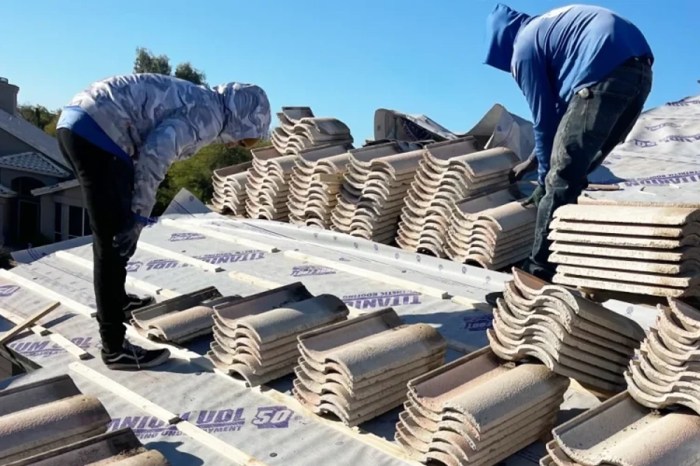
When it comes to roof installation warranties, it is important for homeowners to understand the coverage areas included as well as the limitations that may apply. By being aware of these factors, homeowners can maximize the benefits of their warranty and avoid situations where coverage may be voided.
Common Coverage Areas
- Manufacturer Defects: Most roof installation warranties cover defects in materials or workmanship provided by the manufacturer.
- Waterproofing: Protection against leaks and water damage is a common inclusion in roof installation warranties.
- Workmanship: Some warranties may cover errors in the installation process by the roofing contractor.
- Wind Damage: Coverage for damage caused by high winds is often included in warranties.
Limitations to be Aware of
- Improper Maintenance: Failure to perform regular maintenance on the roof may void the warranty.
- Unauthorized Repairs: Making repairs or modifications without the approval of the manufacturer or contractor can lead to voided coverage.
- Natural Disasters: Some warranties may not cover damage caused by natural disasters such as earthquakes or hurricanes.
- Normal Wear and Tear: Coverage may not extend to damage that is a result of regular wear and tear over time.
Examples of Voided Coverage
- Failure to provide proof of regular roof inspections and maintenance.
- Using incompatible materials for repairs or modifications.
- Damage caused by a lack of proper ventilation in the attic.
Ensuring Compliance with Warranty Terms
- Keep Detailed Records: Document all maintenance and repairs to ensure compliance with warranty terms.
- Follow Manufacturer Guidelines: Adhere to the recommended maintenance schedule and guidelines provided by the manufacturer.
- Hire Professional Contractors: Ensure that any repairs or modifications are done by qualified professionals to avoid voiding the warranty.
Claims Process and Customer Support
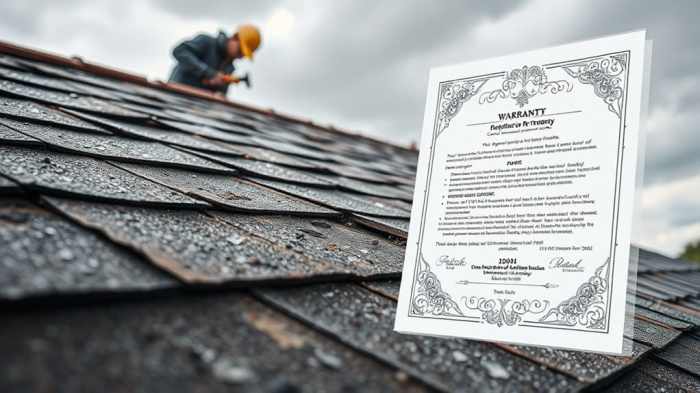
When it comes to dealing with warranty claims for roof installation services, understanding the process and having good customer support can make a significant difference in ensuring a smooth experience for homeowners.
Filing a Warranty Claim
- Start by reviewing your warranty documentation to understand the coverage and limitations.
- Contact the roofing company or contractor who installed your roof to inform them about the issue.
- Provide detailed information about the problem, including photos if possible, to support your claim.
- Follow the instructions provided by the company for submitting a formal claim.
Role of Customer Support
- Customer support plays a crucial role in guiding homeowners through the claims process.
- They should provide clear instructions, answer any questions, and keep you informed about the progress of your claim.
- Effective customer support can help resolve issues promptly and ensure a positive experience for the homeowner.
Tips for Homeowners
- Keep all communication with the roofing company in writing to have a record of the exchanges.
- Document all conversations, emails, and any other relevant information related to your claim.
- Be proactive and follow up with the company if you don't receive updates on your claim status.
- Stay organized and keep all warranty documents in a safe place for easy reference.
Importance of Clear Communication
- Clear communication is vital during the claims process to avoid misunderstandings.
- Provide detailed information about the issue and any previous maintenance or repairs done on the roof.
- Keep a record of all correspondence and documentation related to your claim for future reference.
Concluding Remarks
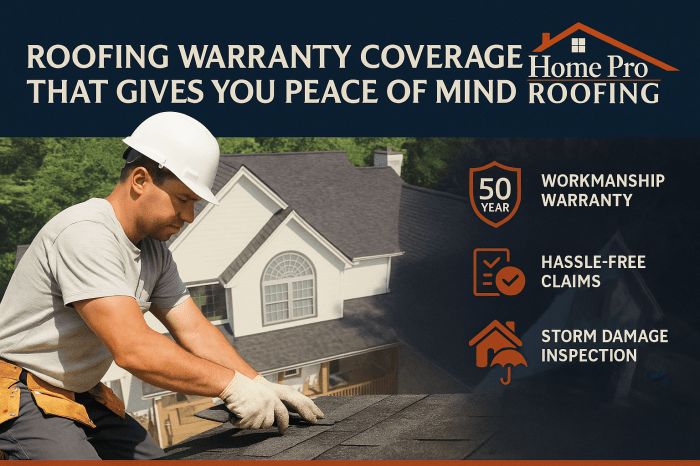
In conclusion, roof installation warranty services offer homeowners and building owners peace of mind and protection, ensuring a secure investment in their property. By understanding the nuances of warranty coverage, individuals can make informed decisions and safeguard their roofing investments for years to come.
Essential Questionnaire
What does a roof installation warranty cover?
A roof installation warranty typically covers defects in workmanship and materials, providing protection against leaks, structural issues, and other related problems.
Can a warranty be voided?
Yes, warranties can be voided if homeowners fail to adhere to maintenance requirements or make unauthorized modifications to the roof.
How long do roof installation warranties usually last?
The duration of roof installation warranties varies depending on the type and provider, but they typically range from 5 to 25 years.