
In the competitive world of roofing, CRM software has become a game-changer. From enhancing customer relationships to streamlining operations, this technology offers a myriad of benefits that can revolutionize how roofing businesses operate. Dive into this insightful guide to discover the key aspects of roofing CRM software.
Importance of Roofing CRM Software
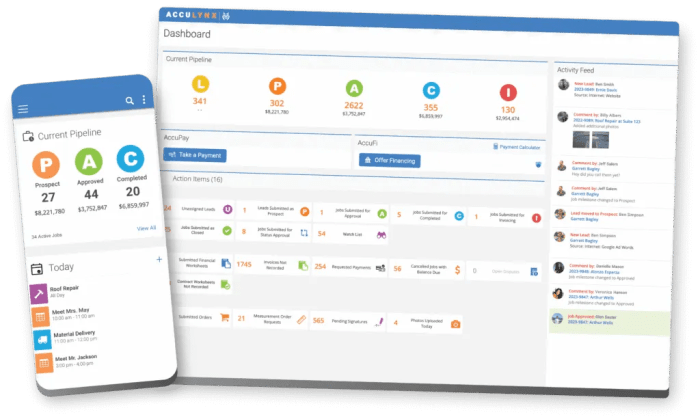
Roofing CRM software plays a crucial role in enhancing the efficiency and effectiveness of roofing companies by providing a centralized platform for managing customer relationships, leads, projects, and more.
Streamlining Operations
Roofing CRM software helps streamline operations for companies by automating various tasks, such as lead management, project scheduling, invoicing, and communication with customers. This automation saves time and reduces the chances of errors, allowing roofing businesses to focus on delivering high-quality services.
Improving Customer Relationships
CRM software enables roofing companies to better understand their customers' needs, preferences, and history with the company. By having access to this information, businesses can personalize their interactions, provide timely responses, and offer tailored solutions, ultimately leading to improved customer relationships and satisfaction.
Key Features of Roofing CRM Software
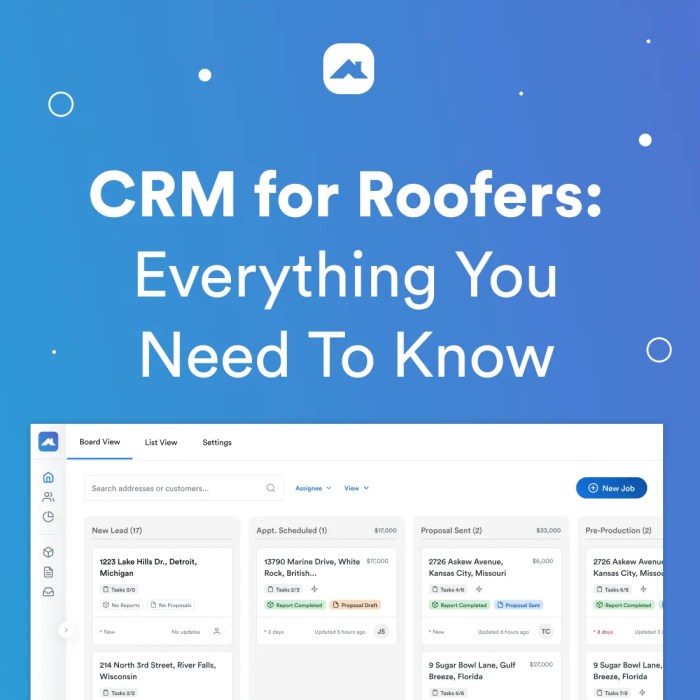
Roofing CRM software offers a variety of features that are essential for the smooth operation of roofing businesses. These features are designed to streamline processes, enhance communication, and improve overall efficiency.
Automation Tools for Enhanced Productivity
- Automated lead generation and tracking to efficiently manage potential customers.
- Automated email and SMS notifications for timely communication with clients.
- Automated scheduling and reminders to ensure project deadlines are met.
Customization Options for Roofing Companies
- Customizable dashboards to display key metrics and performance indicators.
- Customizable workflows to fit the specific needs and processes of the roofing business.
- Customizable reporting tools to generate detailed insights and analytics for informed decision-making.
Implementation and Integration
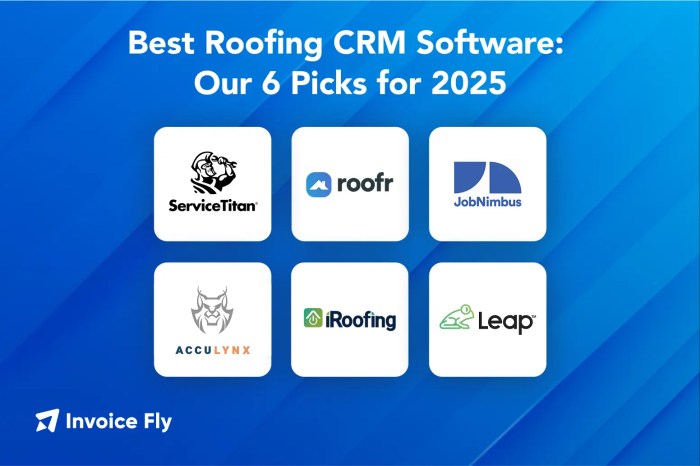
Implementing and integrating roofing CRM software into a company's operations is crucial for maximizing efficiency and streamlining processes. By following the right steps and integrating the software with other tools used in the roofing industry, companies can experience significant improvements in customer management, project tracking, and overall business performance.
Steps for Effective Implementation
- Assess Current Processes: Before implementing CRM software, evaluate existing processes to identify areas that can be improved with the software.
- Choose the Right CRM Solution: Select a CRM software that is tailored to the specific needs of the roofing industry and offers features that align with your business goals.
- Provide Training: Ensure that employees receive proper training on how to use the CRM software effectively to maximize its benefits.
- Customize and Configure: Customize the CRM software to fit your company's workflow and configure it to capture relevant data for your roofing projects.
- Monitor and Evaluate: Continuously monitor the performance of the CRM software and evaluate its impact on your business to make necessary adjustments.
Importance of Integration with Other Tools
Integrating CRM software with other tools used in the roofing industry, such as project management software, accounting software, and communication tools, is essential for creating a seamless workflow and ensuring data consistency across different platforms. This integration allows for real-time data synchronization, improved collaboration among team members, and enhanced decision-making based on accurate information.
Best Practices for Seamless Integration
- Choose Compatible Tools: Select CRM software that offers integration capabilities with commonly used tools in the roofing industry to facilitate smooth data exchange.
- Establish Data Standards: Define data standards and protocols to ensure uniformity and accuracy of information shared between CRM software and other tools.
- Collaborate with IT Professionals: Work closely with IT experts to oversee the integration process and address any technical challenges that may arise during implementation.
- Regularly Test Integration: Conduct regular testing of the integration between CRM software and other tools to identify and resolve any issues promptly.
- Provide Ongoing Support: Offer continuous support and training to employees to help them adapt to the integrated system and make the most out of its functionalities.
Data Management and Analytics
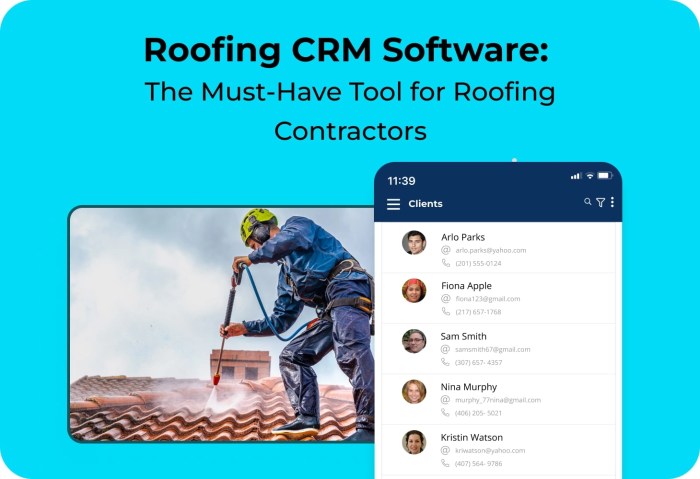
Data management and analytics play a crucial role in roofing CRM software, enabling companies to organize, analyze, and utilize their data effectively to improve business operations and decision-making.
Role of Data Management
Data management in roofing CRM software involves collecting, storing, and organizing customer information, project details, communication logs, and more in a centralized database. This centralized data repository allows roofing companies to access real-time information, track interactions with customers, and streamline processes for better efficiency.
Analytics Tools for Informed Decisions
Analytics tools integrated into CRM software enable roofing companies to gain valuable insights from their data. By analyzing customer behavior patterns, project performance metrics, and sales trends, companies can make informed decisions to optimize their sales strategies, improve customer relationships, and enhance overall business performance.
- Identifying profitable customer segments
- Forecasting sales trends and project demands
- Measuring the effectiveness of marketing campaigns
- Tracking project performance and profitability
Significance of Data Security and Privacy
Ensuring data security and privacy is essential when using CRM software for roofing businesses. With sensitive customer information, project details, and communication logs stored in the system, companies must prioritize data protection to maintain trust with their clients and comply with data privacy regulations.
Implementing encryption protocols and access controls can safeguard sensitive data from unauthorized access or cyber threats.
Conclusion
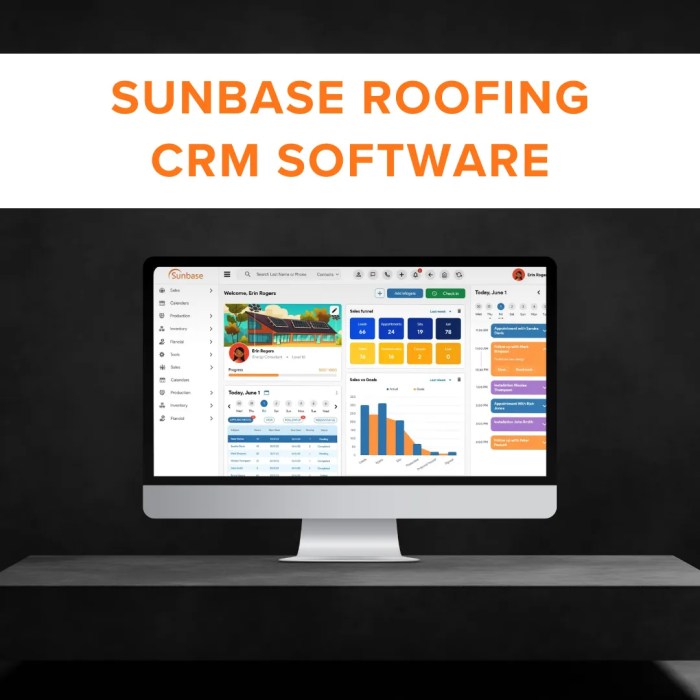
As we conclude our exploration of roofing CRM software, it becomes evident that this tool is not just a luxury but a necessity for modern roofing companies. By leveraging data management, automation, and integration capabilities, businesses can propel themselves towards success in a fast-evolving industry.
Question & Answer Hub
How can roofing CRM software benefit companies?
Roofing CRM software can improve customer relationships, streamline operations, and enhance productivity for businesses in the roofing industry.
What are some essential features of roofing CRM software?
Essential features include automation tools, customization options, and data management capabilities tailored for roofing companies.
How can CRM software be effectively implemented in a company?
Effective implementation involves defining steps, integrating with existing tools, and following best practices for seamless adoption.
What role does data management play in roofing CRM software?
Data management is crucial for storing, analyzing, and utilizing information to make informed decisions in the roofing industry.
Why is data security important when using CRM software for roofing businesses?
Data security ensures the protection of sensitive information and maintains the trust of customers in roofing companies.