
Exploring the world of flat roofing inspection services, it becomes evident that regular maintenance is key to avoiding costly damages down the road. By understanding the importance of these inspections, property owners can ensure the structural integrity of their roofs for years to come.
As we delve deeper into the common issues found during flat roof inspections and the process involved, the significance of hiring professional services and embracing technology in inspections will become apparent.
Importance of Flat Roofing Inspection Services
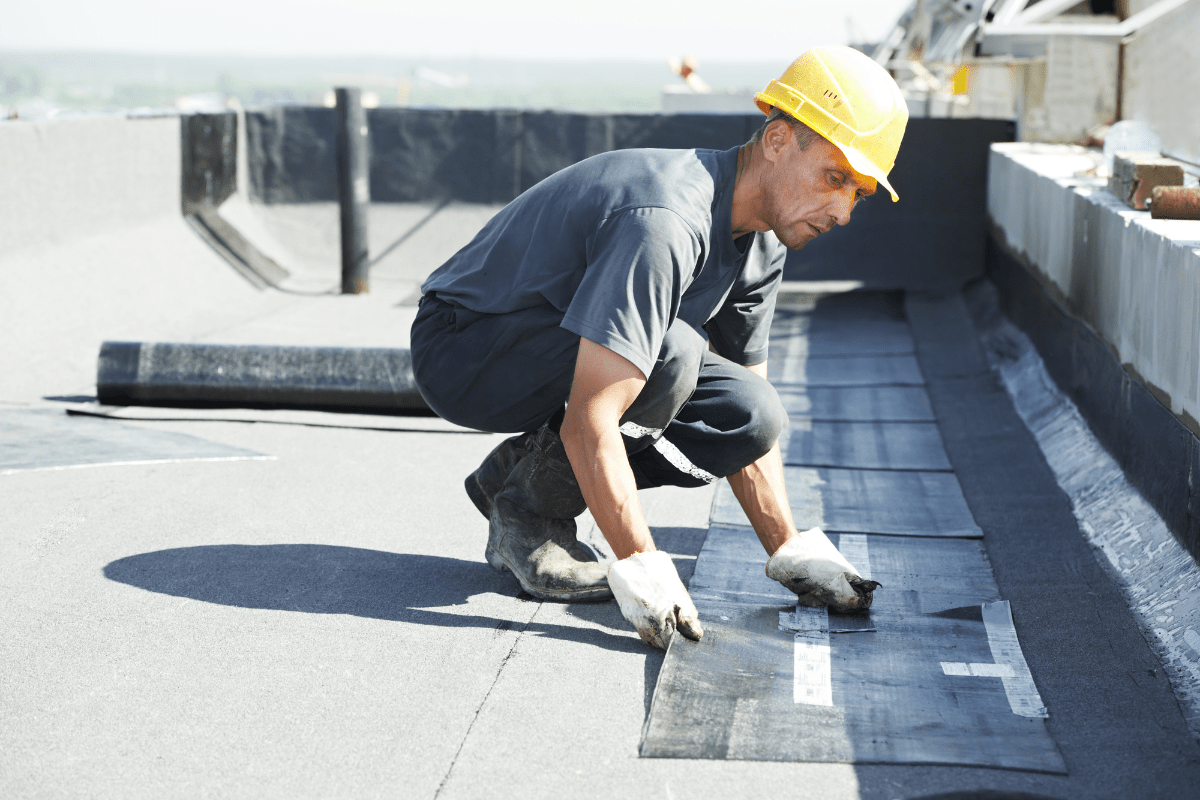
Regular inspections are a crucial aspect of maintaining flat roofs. These inspections help identify potential issues early on, allowing for timely repairs and preventive measures to be taken. By addressing problems promptly, costly damages can be avoided in the long run, saving both time and money for property owners.
Prevention of Costly Damages
- Regular inspections can catch small issues before they escalate into major problems, such as leaks or structural damage.
- Identifying and repairing minor damages early on can extend the lifespan of the flat roof, ultimately saving property owners from expensive repairs or even premature roof replacement.
Recommended Frequency
- It is generally recommended to have flat roof inspections conducted at least twice a year, typically in the spring and fall.
- However, in regions with extreme weather conditions or heavy rainfall, more frequent inspections may be necessary to ensure the roof's integrity and prevent any unexpected issues.
Common Issues Found During Flat Roofing Inspections
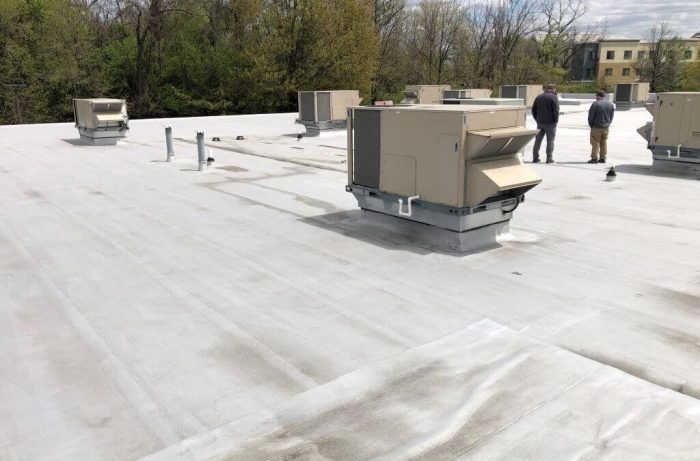
Inspectors often encounter several common issues during flat roofing inspections that can have significant consequences if left unaddressed. These issues can range from minor repairs to major structural damage, impacting the overall integrity of the roof.
Ponding Water
- One of the most common issues found during flat roofing inspections is ponding water, where water accumulates on the roof due to improper drainage.
- If not corrected, ponding water can lead to leaks, mold growth, and eventually structural damage.
- This issue can compromise the roof's structural integrity and reduce its lifespan significantly.
Membrane Damage
- Damage to the roofing membrane, such as tears, cracks, or punctures, is another frequent issue identified during inspections.
- Neglecting membrane damage can result in water infiltration, leading to leaks and potential rotting of the roof deck.
- Over time, this can weaken the roof structure and necessitate costly repairs or even a full replacement.
Poor Installation
- Flat roofs that were improperly installed can exhibit various issues, including inadequate sealing, improper flashing, or insufficient insulation.
- Failure to address these installation errors can result in water leaks, energy inefficiency, and premature deterioration of the roof system.
- These issues can compromise the roof's performance and longevity, requiring corrective measures to prevent further damage.
Process of Conducting a Flat Roof Inspection
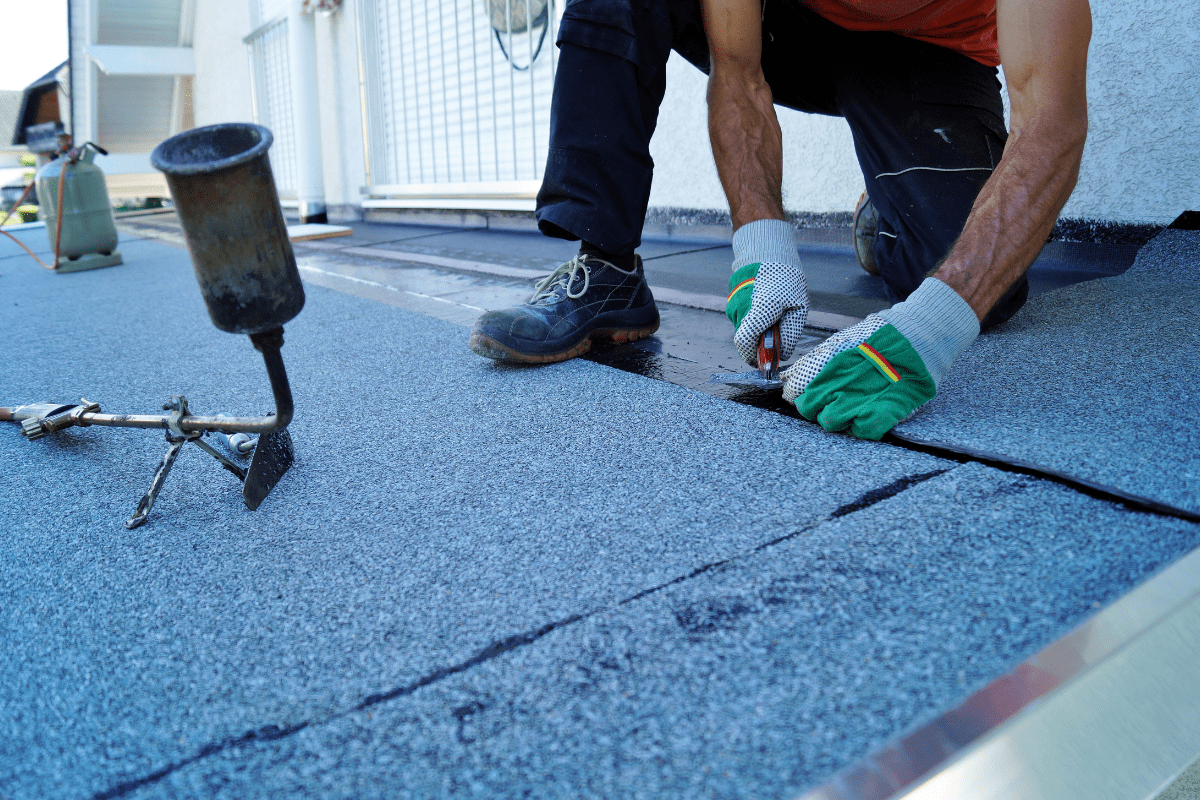
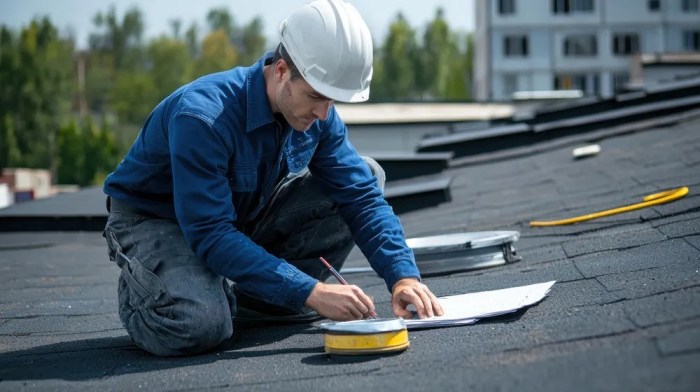
When it comes to inspecting a flat roof, there is a systematic process that professionals follow to assess its condition and identify any issues that may need attention.
Step-by-Step Procedure
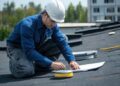
- 1. Visual Inspection: The first step involves visually inspecting the entire flat roof surface to look for any signs of damage, ponding water, or debris accumulation.
- 2. Roof Membrane Evaluation: Professionals examine the roof membrane to check for tears, punctures, or areas of weakness that could lead to leaks.
- 3. Flashing and Edge Inspection: The flashing around roof penetrations and edges is carefully inspected to ensure there are no gaps or deterioration that could compromise the roof's integrity.
- 4. Drainage Assessment: The drainage system is evaluated to ensure that water is properly draining off the roof and not causing ponding or standing water issues.
- 5. Interior Inspection: In some cases, professionals may also inspect the interior of the building to check for signs of water infiltration or damage that could be linked to the roof.
Tools and Equipment Required
- - Ladder: To access the roof safely and conduct a thorough inspection.
- - Moisture Meter: To detect any hidden moisture within the roof structure.
- - Infrared Camera: Used to identify areas of moisture or heat loss on the roof surface.
- - Roofing Hammer: For tapping and testing the roof membrane for any signs of weakness.
Assessment of Roof Condition
- - Professionals assess the overall condition of the flat roof, looking for signs of wear and tear, weathering, or damage.
- - They also consider factors such as age, maintenance history, and previous repairs to determine the current state of the roof.
- - Based on their findings, professionals can provide recommendations for repairs, maintenance, or replacement to ensure the longevity and performance of the flat roof.
Benefits of Hiring Professional Inspection Services
When it comes to maintaining the integrity of your flat roof, hiring professional inspection services can offer numerous benefits that DIY inspections may not provide. Let's delve into the advantages of opting for specialized professionals for your flat roof inspections.
Accuracy and Expertise
One of the key advantages of hiring professional inspection services for your flat roof is the accuracy and expertise they bring to the table. Professionals have the knowledge, experience, and specialized tools to thoroughly inspect your roof, identifying any issues or potential problems that may go unnoticed during a DIY inspection.
Their trained eye can detect even the smallest signs of damage, ensuring that all areas of your flat roof are thoroughly assessed.
Comprehensive Inspection Reports
Professional inspection services provide detailed and comprehensive inspection reports that Artikel the current condition of your flat roof, including any areas of concern and recommended repairs or maintenance. These reports are valuable documentation that can help you make informed decisions about the upkeep of your roof and prioritize any necessary repairs to prevent further damage.
Property Value Enhancement
By investing in professional inspection services for your flat roof, you can enhance the value of your property. Regular inspections and maintenance carried out by professionals demonstrate to potential buyers that the property has been well-maintained and cared for, increasing its overall value.
Additionally, a well-maintained flat roof can prolong its lifespan, saving you money on costly repairs in the long run and adding to the property's appeal.
Technology and Innovations in Flat Roof Inspections
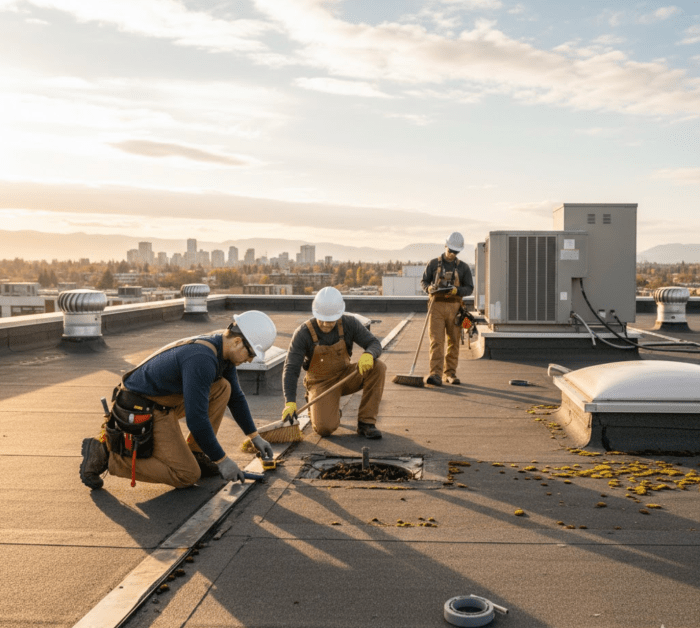
With the advancement of technology, flat roof inspections have greatly benefited from innovative tools and methods that enhance the efficiency and accuracy of the inspection process.
Modern Technologies Used for Inspecting Flat Roofs
- Thermal Imaging: Thermal imaging cameras can detect temperature variations on the roof surface, helping to identify areas of moisture infiltration or insulation deficiencies.
- Drones: Drones equipped with cameras provide aerial views of the roof, allowing inspectors to access hard-to-reach areas without the need for ladders or scaffolding.
- Electronic Leak Detection: This technology uses electric currents to locate leaks in the roof membrane, providing a non-invasive way to identify potential issues.
Benefits of Incorporating Technology into Flat Roof Inspections
- Improved Accuracy: Technology allows for more precise identification of roof issues, leading to more effective repair and maintenance strategies.
- Enhanced Safety: Tools like drones eliminate the need for inspectors to climb onto the roof, reducing the risk of accidents and injuries.
- Time Efficiency: Using modern technology speeds up the inspection process, allowing for quicker assessment and resolution of roofing problems.
End of Discussion
In conclusion, flat roofing inspection services play a crucial role in preserving the quality and longevity of roofs. By staying proactive with regular inspections and investing in professional services, property owners can safeguard their investments and enjoy a durable roof that adds value to their property.
Essential FAQs
How often should flat roofs be inspected?
It's recommended to have flat roofs inspected at least twice a year, ideally in the spring and fall.
What are some common issues detected during flat roof inspections?
Common issues include ponding water, membrane damage, and clogged drains, which can lead to leaks and structural damage over time.
Why should property owners opt for professional inspection services?
Professional services offer expertise, specialized equipment, and thorough assessments that DIY inspections may lack, ensuring comprehensive maintenance and early issue detection.