
Exploring the world of roof maintenance and repair unveils a realm of crucial upkeep and restoration practices. From the importance of regular maintenance to the various types of repairs, this guide delves into the nuances of preserving the integrity of your roof.
Let's embark on this informative journey together.
Delve deeper into the realm of roof maintenance and repair as we uncover essential tips and insights to keep your roof in top-notch condition.
Importance of Roof Maintenance
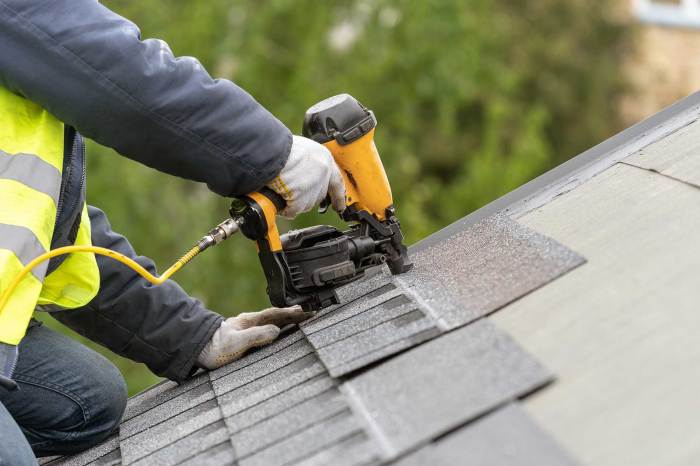
Regular roof maintenance is crucial to ensure the longevity and durability of your roof. By performing routine inspections and addressing any issues promptly, you can prevent costly repairs and extend the lifespan of your roof.Neglecting roof maintenance can lead to a variety of potential consequences, including water damage, mold growth, and structural issues.
A small leak can quickly escalate into a major problem if left untreated, causing extensive damage to your home and belongings.
Common Issues Due to Lack of Maintenance
- Leaking roofs: Without regular maintenance, roofs are more prone to leaks, which can lead to water damage inside your home.
- Mold and mildew growth: Moisture buildup from a neglected roof can create the perfect environment for mold and mildew to thrive, posing health risks to you and your family.
- Deterioration of roofing materials: Over time, lack of maintenance can cause shingles to deteriorate, leading to the need for premature roof replacement.
- Structural damage: Ignoring maintenance can result in structural damage to your home, compromising its stability and safety.
Types of Roof Repairs
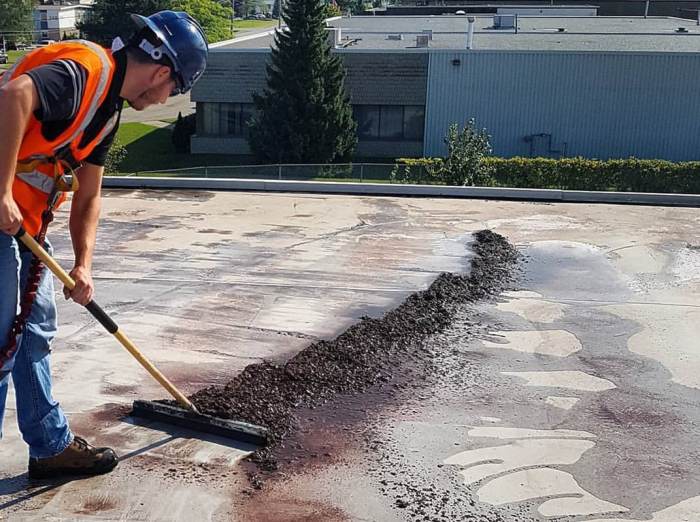
When it comes to roof maintenance, different types of repairs may be necessary to ensure the longevity and structural integrity of your roof. Timely repairs are crucial to prevent further damage and costly replacements. Let's delve into the various types of roof repairs and the importance of addressing them promptly.
Minor Roof Repairs
- Replacing missing or damaged shingles
- Fixing minor leaks
- Sealing gaps and cracks
It is essential to address minor roof repairs promptly to prevent them from escalating into major issues.
Major Roof Repairs
- Repairing extensive water damage
- Replacing a large section of the roof
- Fixing structural issues
Major roof repairs require professional intervention and should not be neglected to avoid compromising the safety and stability of the entire structure.
DIY vs. Professional Repair
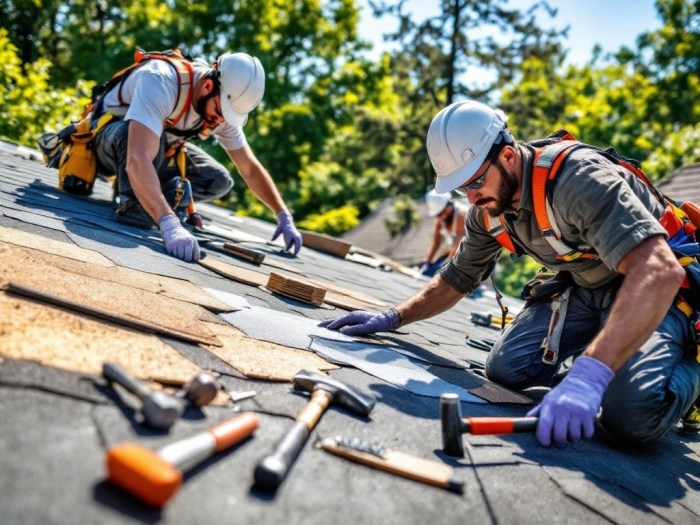
When it comes to roof repairs, homeowners often face the decision of whether to tackle the repairs themselves or hire a professional. Both options have their pros and cons, so it's essential to consider various factors before making a decision.
DIY Roof Repairs
DIY roof repairs can be suitable for minor issues such as small leaks, missing shingles, or minor gutter repairs. If you have experience working on roofs, the right tools, and feel confident in your abilities, DIY repairs can save you money and time.
- Benefits of DIY repairs:
- Cost-effective as you won't have to pay for labor
- Flexibility to work on your schedule
- Sense of accomplishment by fixing the issue yourself
However, it's crucial to remember that DIY repairs may void your roof's warranty and could lead to more significant issues if not done correctly.
Professional Roof Repair Services
On the other hand, hiring professional roof repair services can provide several benefits, especially for more complex or extensive repairs.
- Benefits of professional services:
- Expertise and experience in identifying and fixing various roofing issues
- Quality workmanship and use of proper materials
- Warranty on the repair work done
- Enhanced safety as professionals are trained to work at heights
Professional roof repair services can ensure that the job is done correctly and safely, giving you peace of mind knowing that your roof is in good hands.
Safety Considerations for DIY Repairs
If you decide to proceed with DIY roof repairs, it's crucial to prioritize safety to avoid accidents or injuries.
- Safety tips for DIY repairs:
- Use proper safety gear such as harnesses, helmets, and non-slip shoes
- Avoid working on the roof during adverse weather conditions
- Inspect the roof for weak spots or structural damage before starting repairs
- Have someone nearby to assist you in case of emergencies
- If the repair seems too complex or risky, consider hiring a professional
Roof Inspection Procedures
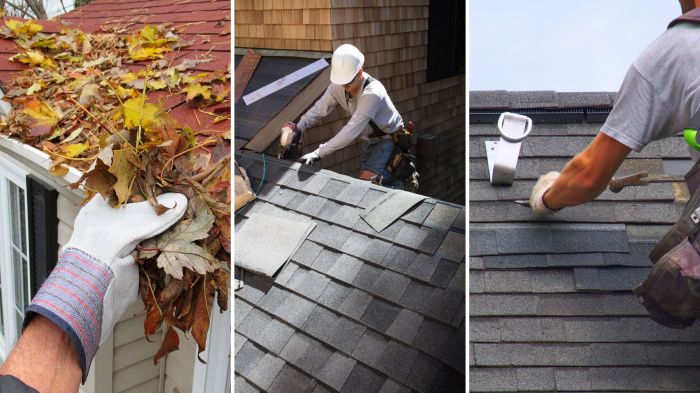
Regular roof inspections are crucial in maintaining the integrity of your roof and identifying potential issues before they escalate. Here is a step-by-step guide for inspecting a roof:
Common Signs of Roof Damage
- Missing, cracked, or curling shingles
- Water stains on the ceiling or walls
- Sagging or uneven roof lines
- Moss or algae growth
- Loose or damaged flashing
Frequency of Roof Inspections
Roof inspections should ideally be conducted twice a year, in the spring and fall, to ensure any damage from harsh weather conditions is promptly addressed. Additionally, it is recommended to inspect the roof after severe storms or high winds to assess any potential damage.
Materials for Roof Maintenance
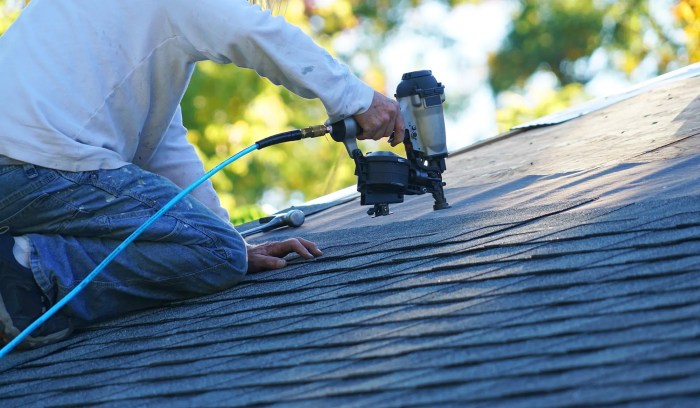
When it comes to maintaining your roof, having the right materials on hand is essential to ensure proper care and longevity of your roof. Whether you are performing routine maintenance or addressing specific repairs, having the necessary materials can make the job easier and more effective.
Essential Materials for Basic Roof Maintenance
- Roofing nails
- Roofing cement
- Flashings
- Sealant
- Roofing tar
- Replacement shingles
- Gutter cleaning tools
Comparison of Different Types of Roofing Materials
| Roofing Material | Durability | Maintenance Requirements |
|---|---|---|
| Asphalt Shingles | Moderate | Regular inspections and occasional repairs |
| Metal Roofing | High | Minimal maintenance required |
| Wood Shakes | Moderate | Regular inspections and treatments |
| Tile Roofing | High | Periodic inspections and replacement of damaged tiles |
Tips for Choosing the Right Materials for Roof Repairs
- Consider the type of roofing material you have when selecting repair materials to ensure compatibility and effectiveness.
- Choose high-quality materials that are designed to withstand the specific weather conditions in your area.
- Consult with a professional roofer for recommendations on the best materials for your roof type and repair needs.
- Invest in durable materials that may cost more initially but will save you money in the long run by reducing the need for frequent repairs.
Final Wrap-Up
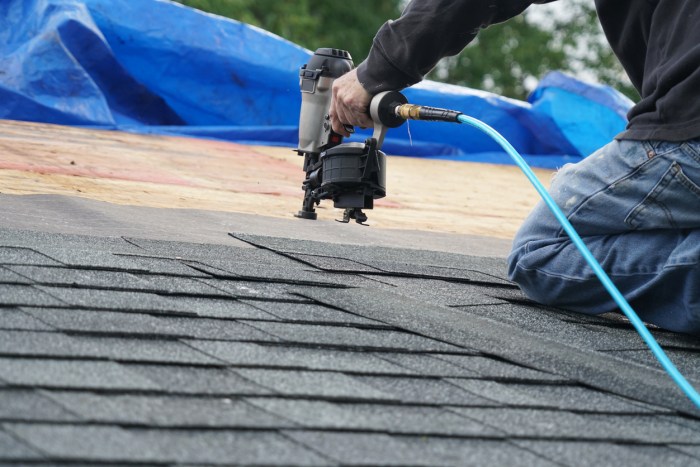
In conclusion, safeguarding your roof through meticulous maintenance and timely repairs is paramount in ensuring its longevity and structural integrity. By following the guidelines Artikeld in this guide, you can navigate the world of roof care with confidence and expertise.
FAQ Compilation
What are the consequences of neglecting roof maintenance?
Neglecting roof maintenance can lead to issues such as leaks, mold growth, structural damage, and reduced energy efficiency.
When should I consider DIY roof repairs?
DIY roof repairs are suitable for minor issues like small leaks or missing shingles. For major repairs or structural damage, it's best to hire professionals.
How often should roof inspections be conducted?
Roof inspections should ideally be done twice a year, in spring and fall, to catch any potential issues before they escalate.
What are the essential materials needed for basic roof maintenance?
Basic roof maintenance requires materials such as roof sealant, replacement shingles, flashing, and a sturdy ladder for inspection.
How do I choose the right materials for roof repairs based on the type of roof?
Consider factors like the slope of your roof, climate conditions, and durability when selecting materials for roof repairs. Consult with a roofing professional for expert advice.