
Exploring the world of roofing automation tools, these innovative solutions are revolutionizing the way roofing projects are managed. From streamlining processes to improving overall efficiency, these tools play a crucial role in the roofing industry. Let's delve into the realm of roofing automation tools and uncover their impact on modern roofing practices.
Importance of Roofing Automation Tools

Automation tools play a crucial role in the roofing industry by streamlining processes and enhancing efficiency in various roofing projects. These tools not only save time but also reduce the margin of error, ensuring high-quality results.
Streamlining Project Management
Automation tools can simplify project management tasks by centralizing information, tracking progress, and scheduling tasks efficiently. For example, project management software can automate the creation of schedules, assign tasks to team members, and provide real-time updates on project status.
Enhancing Estimation and Quoting
Roofing automation tools can also improve the accuracy of estimation and quoting processes. By utilizing software that calculates material requirements, labor costs, and project timelines, roofing contractors can generate precise quotes quickly and efficiently. This streamlines the bidding process and increases the chances of winning projects.
Improving Communication and Collaboration
Automation tools facilitate better communication and collaboration among team members, subcontractors, and clients. With features like automated notifications, file sharing, and progress tracking, everyone involved in the project stays informed and connected. This leads to smoother workflows and better outcomes for roofing projects.
Enhancing Safety Protocols
Automation tools can also contribute to enhancing safety protocols on roofing sites. By automating safety inspections, training reminders, and incident reporting, these tools help ensure that safety measures are consistently followed, reducing the risk of accidents and injuries.
Optimizing Maintenance and Warranty Tracking
Maintenance and warranty tracking can be efficiently managed using automation tools. By automating reminders for routine maintenance checks and tracking warranty information, roofing contractors can ensure that roofs are properly maintained and warranties are upheld, leading to long-lasting and satisfied customers.
Types of Roofing Automation Tools

Roofing automation tools come in various types, each serving a specific purpose in streamlining roofing projects and improving overall efficiency.
1. Roofing Software
- Roofing software programs are designed to assist with project management, estimating, scheduling, and material ordering.
- These tools help contractors create accurate estimates, generate reports, and track project progress in real-time.
- By automating these tasks, roofing software enhances productivity and reduces the margin of error in project planning.
2. Drones
- Drones are used for aerial inspections, capturing images and videos of roofs to assess damage and identify areas in need of repair.
- They provide a cost-effective and efficient way to survey large or hard-to-reach roofs, saving time and manpower.
- By utilizing drones, roofing professionals can conduct thorough inspections and make informed decisions without risking safety.
3. Roofing Robots
- Roofing robots are automated machines that can perform tasks such as roof cleaning, coating, and maintenance.
- These robots are equipped with sensors and tools to navigate roofs and execute specific actions with precision.
- By using roofing robots, contractors can enhance the quality of workmanship, reduce labor costs, and improve safety on job sites.
Benefits of Implementing Roofing Automation Tools
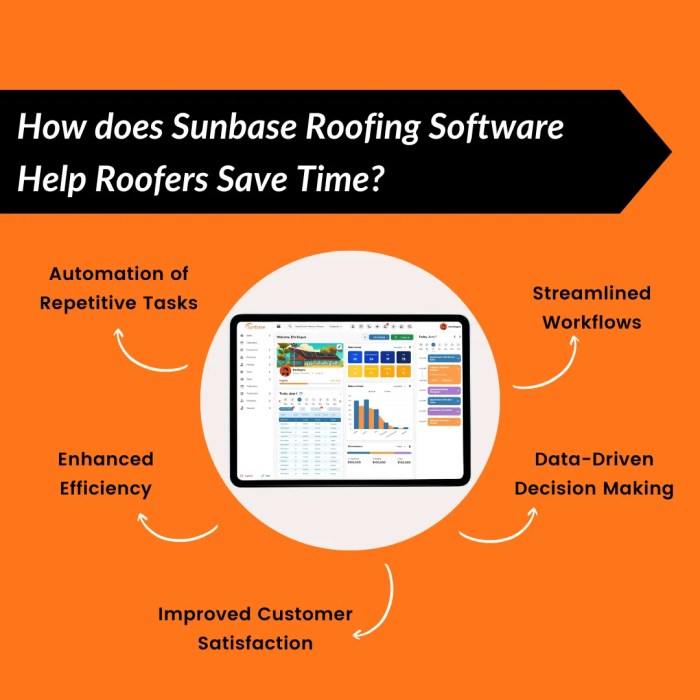
Automation tools in roofing operations offer numerous advantages that can significantly improve efficiency, accuracy, and safety on the job site
Cost Reduction and Error Minimization
Automation tools help streamline various tasks involved in roofing, such as measurement, cutting, and installation. By automating these processes, you can reduce labor costs, minimize material wastage, and lower the chances of human errors. This not only saves time but also enhances the overall quality of work, leading to increased customer satisfaction and repeat business.
Enhanced Safety and Compliance
Safety is a top priority in the roofing industry, and automation tools play a crucial role in maintaining a safe working environment. These tools can handle repetitive or hazardous tasks, reducing the risk of accidents and injuries among workers. Additionally, automation ensures that roofing projects comply with industry regulations and standards, preventing costly fines or legal issues.
Improved Efficiency and Productivity
By automating manual processes, roofing automation tools can significantly increase the efficiency and productivity of your team. Tasks that once took hours to complete can now be done in a fraction of the time, allowing your crew to take on more projects and meet strict deadlines.
This improved efficiency not only boosts profitability but also enhances your reputation as a reliable and competent roofing contractor.
Real-time Data and Analytics
Automation tools provide real-time data and analytics that offer valuable insights into your roofing operations. By analyzing this data, you can identify areas for improvement, optimize resource allocation, and make informed decisions to drive business growth. This data-driven approach allows you to stay competitive in the market and adapt to changing industry trends effectively.
Challenges and Considerations in Adopting Roofing Automation Tools
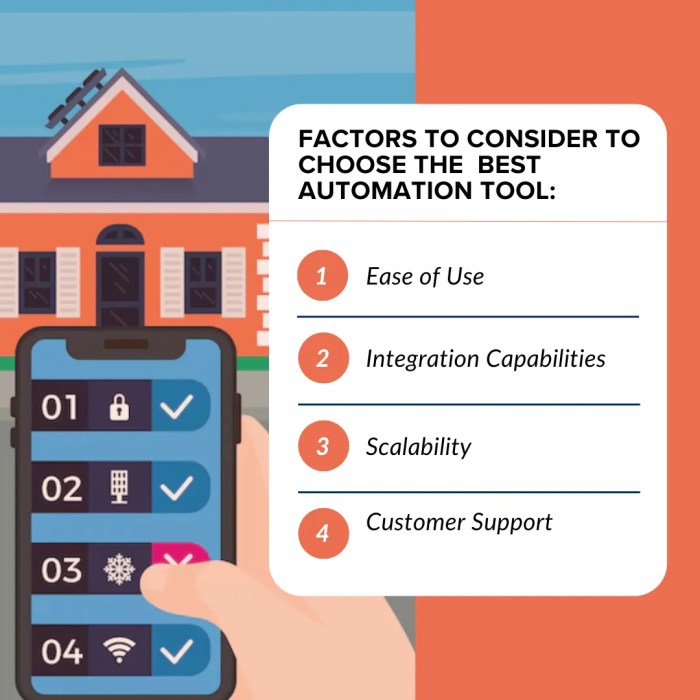
Implementing roofing automation tools can bring numerous benefits, but it also comes with its own set of challenges. It is essential for companies to be aware of these challenges and consider them carefully to ensure a successful adoption of automation tools in roofing workflows.
Potential Challenges in Implementing Roofing Automation Tools
- Lack of Employee Training: One major challenge is the need for adequate training for employees to use the automation tools effectively. Resistance to change and lack of technical expertise can hinder the implementation process.
- Integration with Existing Systems: Ensuring seamless integration of automation tools with existing roofing systems and processes can be a complex task. Compatibility issues and data migration challenges may arise.
- Data Security Concerns: With the increased use of automation tools, there is a heightened risk of data breaches and security threats. Companies need to prioritize data security and implement robust measures to protect sensitive information.
Strategies to Overcome Challenges and Ensure Successful Adoption
- Invest in Comprehensive Training Programs: Provide employees with extensive training programs to familiarize them with the automation tools and build their skills. Encourage a culture of continuous learning and adaptation.
- Collaborate with IT Experts: Work closely with IT professionals to ensure smooth integration of automation tools with existing systems. Conduct thorough testing and troubleshooting before full deployment.
- Implement Robust Security Protocols: Develop stringent security protocols to safeguard data and prevent unauthorized access. Regularly update security measures and educate employees on best practices for data protection.
Factors to Consider Before Selecting and Integrating Automation Tools
- Scalability: Choose automation tools that can scale with the company's growth and adapt to changing needs. Consider the long-term impact of the tools on the roofing operations.
- Cost-Benefit Analysis: Conduct a thorough cost-benefit analysis to determine the return on investment of implementing automation tools. Evaluate the upfront costs against the potential long-term savings and efficiency gains.
- Vendor Reputation: Research and select reputable vendors with a track record of delivering reliable automation solutions. Consider feedback from other companies and industry reviews when choosing a vendor.
Wrap-Up
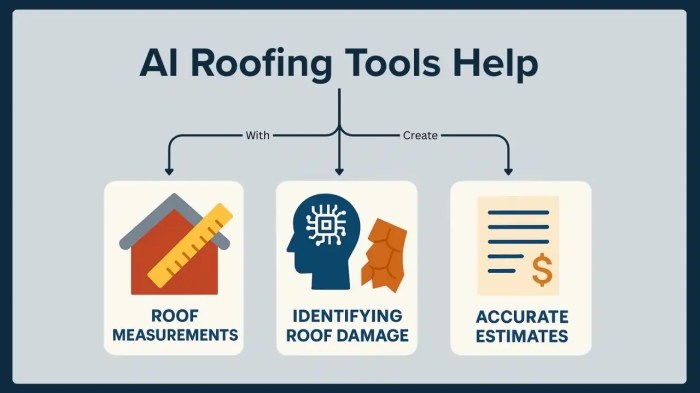
In conclusion, roofing automation tools offer a myriad of benefits, from cost reduction to enhanced safety standards. By embracing these tools, companies can elevate their roofing projects to new heights of efficiency and quality. Dive into the world of roofing automation tools and witness the transformation they bring to the industry.
Query Resolution
How can automation tools benefit roofing projects?
Automation tools can streamline processes, improve efficiency, reduce costs, and enhance safety standards in roofing projects.
What types of tasks can be automated using roofing automation tools?
Tasks such as project scheduling, material ordering, and progress tracking can be automated using these tools.
What are some challenges in adopting roofing automation tools?
Companies may face challenges such as initial implementation costs, training employees on new tools, and ensuring seamless integration with existing workflows.