

Embark on a journey into the world of warehouse roofing contractors, where expertise meets construction excellence. From specialized services to the significance of hiring the right professionals, this guide covers it all.
Overview of Warehouse Roofing Contractors
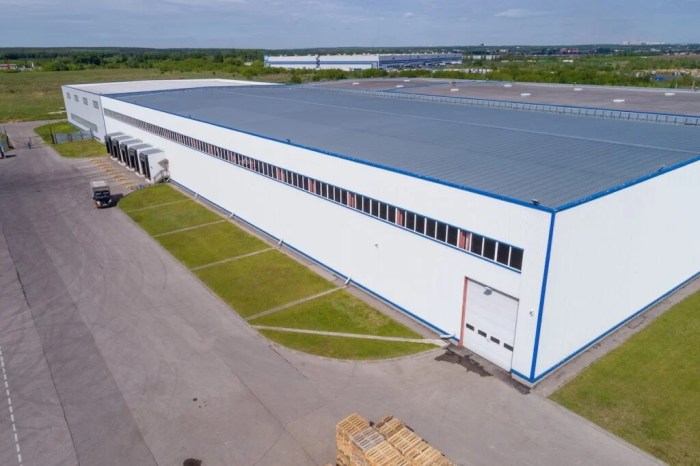
Warehouse roofing contractors play a crucial role in the construction industry, specializing in the installation, repair, and maintenance of roofs for large industrial warehouses. These contractors have the expertise and experience to handle the unique challenges associated with warehouse roofing projects.
Services Offered by Warehouse Roofing Contractors
- Installation of new roofing systems tailored to the specific needs of warehouses.
- Roof repair and restoration to address leaks, damage, or wear and tear.
- Inspections and maintenance to ensure the longevity and performance of the warehouse roof.
- Emergency repairs to handle unexpected issues that may arise.
Importance of Hiring Specialized Contractors for Warehouse Roofing Projects
Warehouse roofing projects require specialized knowledge and skills due to the size and complexity of industrial roofs. It is essential to hire contractors with experience in handling warehouse roofing to ensure the quality and durability of the roof. Specialized contractors can also provide tailored solutions that meet the unique requirements of warehouse facilities, ensuring optimal performance and longevity of the roofing system.
Qualifications and Expertise
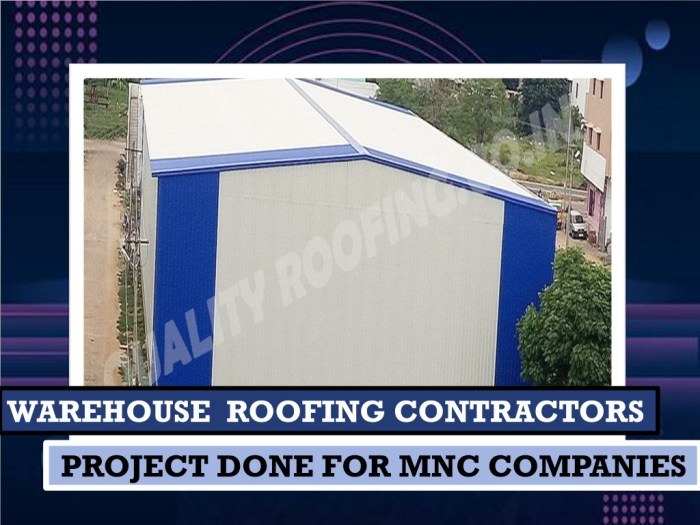
To become a warehouse roofing contractor, individuals must possess a combination of qualifications and certifications to ensure they have the necessary skills and knowledge to work on such specialized projects.
Qualifications and Certifications
- Valid contractor's license: Warehouse roofing contractors must hold a valid contractor's license to legally operate and perform roofing work.
- Roofing certifications: Certifications from recognized organizations such as the National Roofing Contractors Association (NRCA) can demonstrate expertise in the field.
- Safety training: Warehouse roofing contractors should have certifications in safety training, such as OSHA 30 certification, to ensure compliance with safety regulations.
Expertise Needed
- Structural knowledge: Warehouse roofing contractors must have a deep understanding of the structural complexities of warehouse roofs to ensure proper installation and repair.
- Material expertise: Knowledge of different roofing materials and their suitability for warehouse applications is essential for warehouse roofing contractors.
- Project management skills: Warehouse roofing projects can be complex and require strong project management skills to ensure timely and efficient completion.
Comparison with General Roofing Contractors
- Specialized knowledge: Warehouse roofing contractors have specialized knowledge specific to warehouse roofs, while general roofing contractors may lack this expertise.
- Project scope: Warehouse roofing projects often involve larger structures and more complex requirements compared to residential roofing projects handled by general contractors.
- Regulatory compliance: Warehouse roofing contractors are well-versed in the specific regulations and requirements for industrial roofing, which may differ from those for residential roofing.
Materials and Techniques
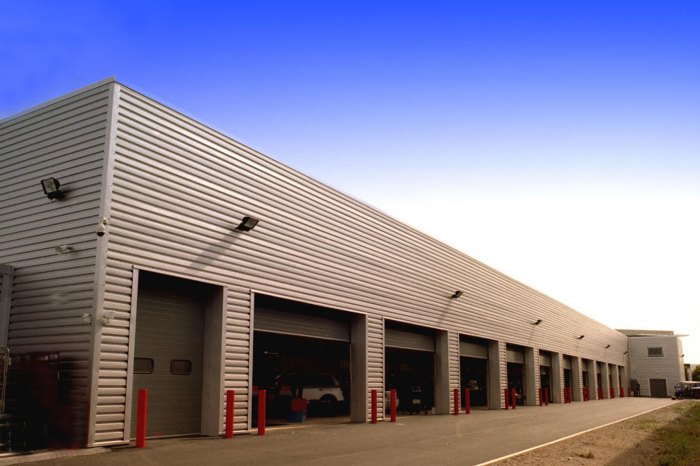
When it comes to warehouse roofing projects, contractors utilize a variety of materials and techniques to ensure the structure is well-protected and durable. Let's explore the common roofing materials used and the techniques employed by warehouse roofing contractors.
Common Roofing Materials
- Metal Roofing: Metal roofing is a popular choice for warehouse roofs due to its durability, longevity, and resistance to harsh weather conditions.
- Single-Ply Membrane: This type of roofing material is lightweight, easy to install, and offers good protection against UV rays and water infiltration.
- Built-Up Roofing (BUR): BUR consists of multiple layers of tar and gravel, providing excellent waterproofing and insulation for warehouse roofs.
- Modified Bitumen: Modified bitumen roofs are made from asphalt and rubber modifiers, offering flexibility and durability for warehouse structures.
Techniques for Installation and Repairs
- Roof Inspection: Warehouse roofing contractors begin by conducting a thorough inspection to assess the condition of the roof and identify any areas in need of repair or replacement.
- Roof Installation: Techniques such as fastening, sealing, and flashing are used during the installation process to ensure the roof is properly secured and waterproof.
- Roof Repairs: Contractors use techniques like patching, resealing, and recaulking to address issues such as leaks, cracks, or damaged areas on the warehouse roof.
Durability and Sustainability of Materials
- Metal roofing is known for its durability, with a lifespan of 40-70 years, making it a sustainable option for warehouse roofs.
- Single-Ply Membrane roofs are eco-friendly and energy-efficient, contributing to the sustainability of warehouse structures.
- Built-Up Roofing systems are long-lasting and can be easily maintained, enhancing the durability of warehouse roofs over time.
- Modified Bitumen roofs offer excellent weather resistance and can withstand extreme temperatures, ensuring the longevity of warehouse roofing systems.
Safety Measures
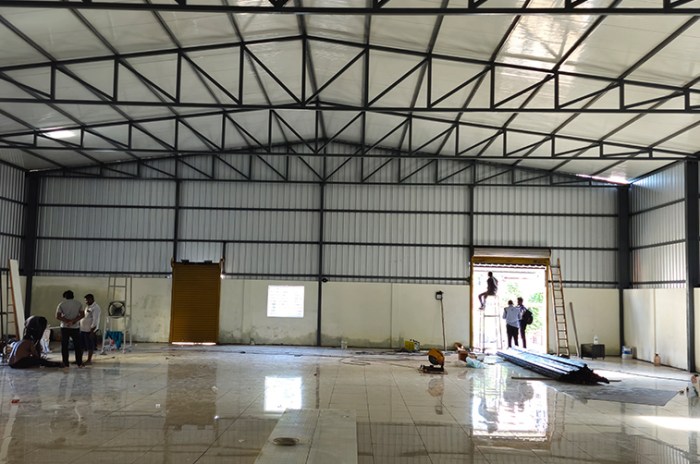
In the warehouse roofing industry, safety is paramount to ensure the well-being of workers and the successful completion of projects. Warehouse roofing contractors adhere to strict safety protocols and guidelines to prevent accidents and injuries on job sites.
Safety Protocols
Warehouse roofing contractors implement a range of safety protocols to protect workers and maintain a safe working environment. These protocols may include regular safety inspections, hazard assessments, and the use of personal protective equipment (PPE) such as helmets, gloves, and safety harnesses.
Safety Equipment
Examples of safety equipment commonly used by warehouse roofing contractors include:
- Hard hats to protect against head injuries from falling objects
- Safety harnesses and lanyards to prevent falls from heights
- Non-slip footwear to ensure stability on slippery surfaces
- Eye protection gear to shield against debris and harmful chemicals
Importance of Safety Training
Safety training is crucial for workers in the warehouse roofing industry to ensure they are aware of potential hazards and know how to mitigate risks effectively. Proper safety training can help prevent accidents, injuries, and even fatalities, making it an essential aspect of every warehouse roofing contractor's operations.
Ultimate Conclusion
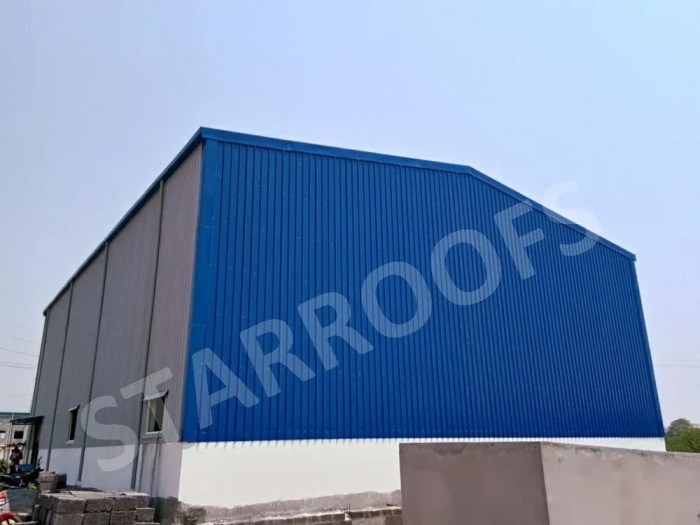
In conclusion, warehouse roofing contractors play a crucial role in ensuring the structural integrity of warehouse buildings. By understanding their qualifications, materials used, and safety measures, you're better equipped to undertake successful roofing projects.
FAQs
What qualifications are required for warehouse roofing contractors?
Warehouse roofing contractors typically need certifications in roofing, safety training, and experience in commercial roofing projects.
What are common roofing materials used by warehouse roofing contractors?
Materials like metal, TPO, EPDM, and asphalt shingles are commonly used by warehouse roofing contractors for their durability and cost-effectiveness.
How do warehouse roofing contractors ensure safety on job sites?
Warehouse roofing contractors follow strict safety protocols, use safety equipment like harnesses and helmets, and provide regular safety training to their workers.