
When it comes to flat roof installation estimates, understanding the different types, factors affecting costs, and the breakdown of expenses is crucial. This guide aims to provide a detailed overview of everything you need to know before embarking on a flat roof installation project.
Types of Flat Roof Installations
Flat roofs are a popular choice for many buildings due to their affordability and ease of maintenance. There are several types of flat roof installations, each with its own set of materials and benefits.
Single-Ply Membrane
Single-ply membranes are made from synthetic materials like PVC, TPO, or EPDM. They are lightweight, flexible, and easy to install. However, they may be more prone to punctures and require regular maintenance to ensure longevity.
Built-Up Roofing (BUR)
Built-up roofing consists of multiple layers of tar and gravel or asphalt rolled out on the roof. This type of installation is durable and provides excellent waterproofing. On the downside, BUR roofs can be heavy and may require more frequent maintenance.
Metal Roofing
Metal roofs are known for their longevity and durability. They can be made from materials like aluminum, steel, or copper. Metal roofs are resistant to fire, rot, and pests. However, they can be noisy during rain and may be prone to denting.
Modified Bitumen
Modified bitumen roofs are made from asphalt and reinforced with fiberglass or polyester. They offer excellent waterproofing and flexibility. However, they can be more expensive than other flat roof options.
Green Roofs
Green roofs involve covering the roof with vegetation, providing insulation and reducing energy costs. They can improve air quality and reduce stormwater runoff. However, green roofs require regular maintenance and can be costly to install.
Pros and Cons
- Single-Ply Membrane: Lightweight and easy to install, but may require regular maintenance.
- Built-Up Roofing: Durable and waterproof, but heavy and may need more upkeep.
- Metal Roofing: Long-lasting and fire-resistant, but noisy and prone to denting.
- Modified Bitumen: Excellent waterproofing and flexibility, but can be costly.
- Green Roofs: Provide insulation and environmental benefits, but require regular maintenance and can be expensive.
Factors Affecting Flat Roof Installation Estimates
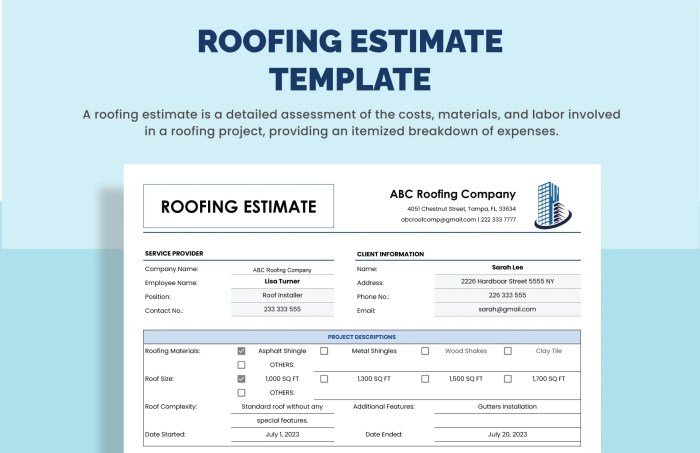
When it comes to estimating the cost of installing a flat roof, several key factors come into play. Understanding these factors can help you get a clearer picture of what influences the overall estimate.
Size of the Roof
The size of the roof is a significant determinant of the installation estimate. Larger roofs require more materials and labor, resulting in higher costs compared to smaller roof installations. Roofing contractors typically calculate the cost per square foot, so the total area to be covered directly impacts the final estimate.
Roof's Shape and Slope
The shape and slope of the roof can also affect the cost estimate. A flat roof with a simple rectangular shape is easier to install and typically less expensive compared to roofs with complex shapes or multiple slopes. Additionally, roofs with steeper slopes may require more safety precautions and specialized equipment, leading to higher labor costs.
Materials, Labor, and Location
Other factors that can impact the overall estimate include the type of materials used, labor costs, and the location of the property. High-quality roofing materials will naturally cost more than standard materials, impacting the total cost of the installation. Labor costs can vary based on the complexity of the project and the experience of the roofing crew.
Furthermore, the location of the property can influence transportation costs, accessibility, and local building codes, all of which play a role in determining the final estimate.
Cost Breakdown of Flat Roof Installation Estimates
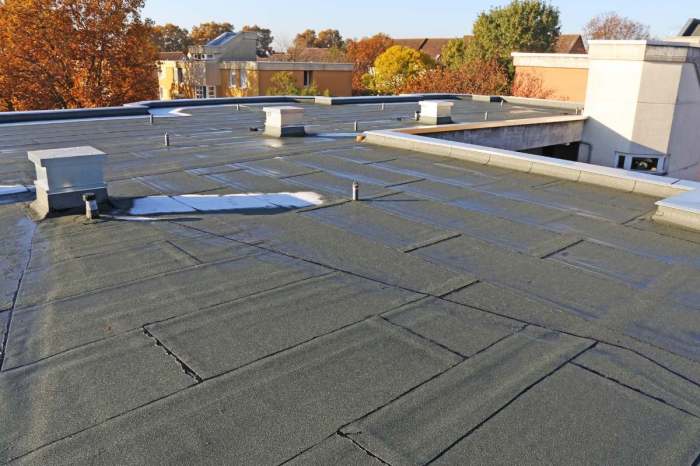
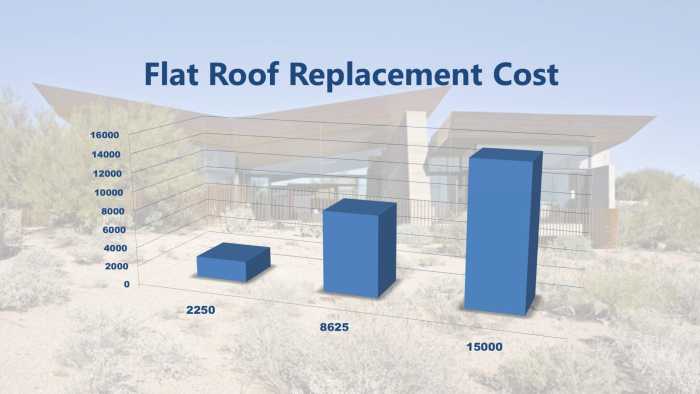
When it comes to estimating the cost of installing a flat roof, it is important to break down the various components that contribute to the overall estimate. Understanding the breakdown of costs can help homeowners make informed decisions and potentially find ways to reduce expenses without compromising on quality.
Materials
The materials used in flat roof installations typically include roofing membranes, insulation, decking, and flashing. The cost of materials can vary depending on the quality and type selected. Higher quality materials may initially cost more but can provide better durability and longevity, reducing the need for frequent repairs and replacements.
Labor
Labor costs make up a significant portion of flat roof installation estimates. The complexity of the installation, the size of the roof, and the experience of the roofing contractors can all impact labor costs. Hiring reputable and experienced roofing professionals may increase labor costs but can ensure a high-quality installation that lasts for years.
Permits and Inspections
Permits and inspections are essential requirements for flat roof installations to ensure compliance with building codes and safety regulations. The cost of permits and inspections can vary depending on the location and the specific requirements of the project. Skipping or avoiding permits can lead to costly fines and legal issues down the line.
Ways to Reduce Costs
- Compare quotes from multiple roofing contractors to find competitive prices.
- Opt for cost-effective materials without compromising on quality.
- Consider scheduling the installation during the off-peak season when contractors may offer discounts.
- Proper maintenance and regular inspections can prevent costly repairs in the future.
- Avoid unnecessary add-ons or upgrades that can increase the overall cost without providing significant benefits.
Hiring a Professional for Flat Roof Installation
When it comes to flat roof installations, hiring a professional is crucial to ensure the job is done correctly and efficiently. Here are some tips on finding a reputable contractor for your flat roof installation project.
Checking Licenses, Insurance, and References
Before hiring a professional for flat roof installation, it is important to check their licenses, insurance, and references. This helps ensure that the contractor is qualified and experienced to handle the job. Here is a step-by-step guide on what to expect during the installation process when working with a professional.
- Verify the contractor's license: Make sure the contractor has the necessary licenses required by your state or local authorities. This ensures that they have met the necessary qualifications to perform the job.
- Check for insurance coverage: It is important to hire a contractor who has liability insurance and workers' compensation coverage. This protects you from any liability in case of accidents or damages during the installation process.
- Ask for references: Request references from the contractor and follow up with them to get feedback on their work. This will give you an idea of the contractor's reputation and the quality of their work.
It is essential to hire a professional with the right credentials to ensure a successful flat roof installation.
Expectations During the Installation Process
- Initial consultation: The contractor will conduct an initial consultation to assess your roofing needs and provide recommendations based on the condition of your roof.
- Preparation: The contractor will prepare the site by removing any existing roofing material, inspecting the roof deck for damage, and making necessary repairs.
- Installation: The installation process involves laying down the flat roofing material, ensuring proper insulation, and sealing all seams to prevent leaks.
- Final inspection: Once the installation is complete, the contractor will perform a final inspection to ensure the roof meets quality standards and specifications.
Epilogue
In conclusion, navigating the world of flat roof installation estimates can be complex, but armed with the right knowledge, you can make informed decisions and ensure a successful project. Whether you're considering a flat roof installation for your home or business, this guide equips you with the essential information needed to move forward confidently.
Commonly Asked Questions
How do different types of flat roof installations impact costs?
The cost of a flat roof installation can vary based on the type of materials used, complexity of installation, and maintenance requirements. For example, a green roof installation may be more expensive initially but can lead to long-term cost savings in energy efficiency.
What are some ways to reduce costs during a flat roof installation?
To reduce costs without compromising quality, consider using cost-effective materials, comparing quotes from multiple contractors, and scheduling installations during off-peak seasons to potentially negotiate lower prices.
How important is it to check licenses and insurance when hiring a professional for flat roof installation?
Checking licenses and insurance is crucial when hiring a professional for flat roof installation to ensure they meet industry standards and are covered in case of any accidents or damages during the project.