
Diving into the realm of industrial roofing cost estimates, this introduction sets the stage for a comprehensive look at the various aspects that influence project pricing. From factors affecting costs to types of materials used, this overview aims to provide valuable insights for anyone interested in industrial roofing projects.
Factors Affecting Industrial Roofing Cost Estimate
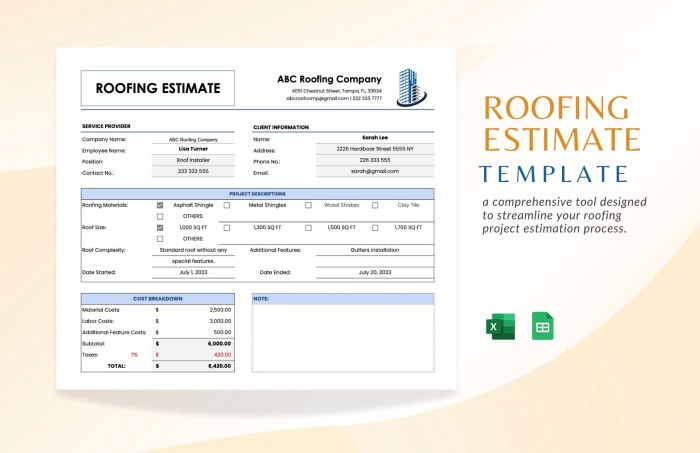
When it comes to estimating the cost of industrial roofing projects, several factors come into play that can significantly impact the overall estimate. Factors such as location, roof size, materials, and labor costs all play a crucial role in determining the final cost of the project.
Location
The location of the industrial building can have a substantial impact on the cost estimate for roofing. For example, areas with higher labor costs or stricter building codes may result in a higher overall estimate due to increased expenses for labor and compliance with regulations.
Roof Size
The size of the roof is a key factor in determining the cost estimate for an industrial roofing project. Larger roofs require more materials and labor to complete, resulting in a higher overall cost. Additionally, complex roof designs or irregular shapes can also contribute to increased costs.
Materials
The type and quality of materials used for the industrial roofing project play a significant role in determining the cost estimate. High-quality materials may come at a higher price, but they can also offer better durability and longevity, reducing future maintenance costs.
On the other hand, opting for cheaper materials may result in lower initial costs but could lead to higher maintenance expenses in the long run.
Labor Costs
Labor costs are a major component of the overall cost estimate for industrial roofing projects. Skilled laborers with experience in industrial roofing may demand higher wages, which can increase the overall cost of the project. Additionally, factors such as project complexity, safety requirements, and project timeline can also affect labor costs.
Types of Industrial Roofing Materials
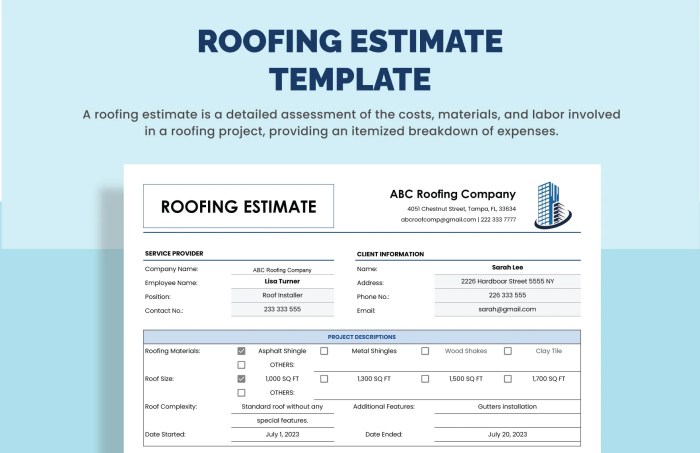
Metal, EPDM, TPO, and asphalt are some of the common materials used in industrial roofing. Each material has its own cost implications in terms of installation and maintenance, as well as durability and longevity, which can impact cost estimates.
Metal Roofing
Metal roofing is known for its durability and longevity, making it a popular choice for industrial buildings. While the initial installation cost of metal roofing may be higher than other materials, it requires minimal maintenance over its lifespan, reducing long-term costs.
EPDM Roofing
EPDM roofing is a synthetic rubber membrane that is lightweight and easy to install. It has a lower upfront cost compared to metal roofing but may require more maintenance over time. EPDM roofing is known for its flexibility and resistance to UV radiation.
TPO Roofing
TPO roofing is a single-ply membrane that is energy-efficient and resistant to chemicals and punctures. It has a moderate upfront cost and offers good durability, making it a cost-effective option for industrial roofing. TPO roofing is also known for its ease of installation.
Asphalt Roofing
Asphalt roofing is one of the most affordable options for industrial buildings. While it may have a lower upfront cost compared to other materials, it may require more frequent maintenance and has a shorter lifespan. However, with proper care, asphalt roofing can still provide adequate protection for industrial structures.
Calculating Industrial Roofing Costs
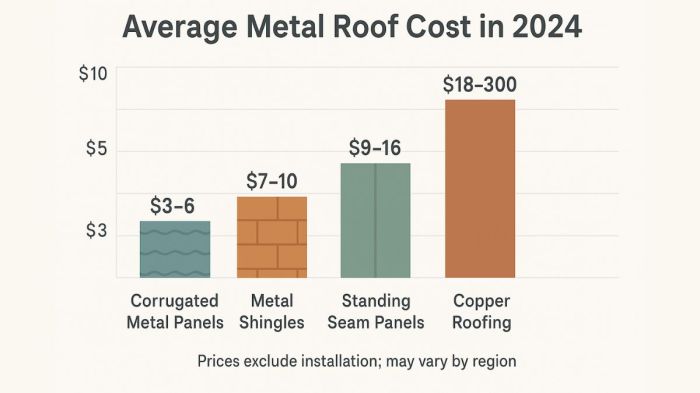
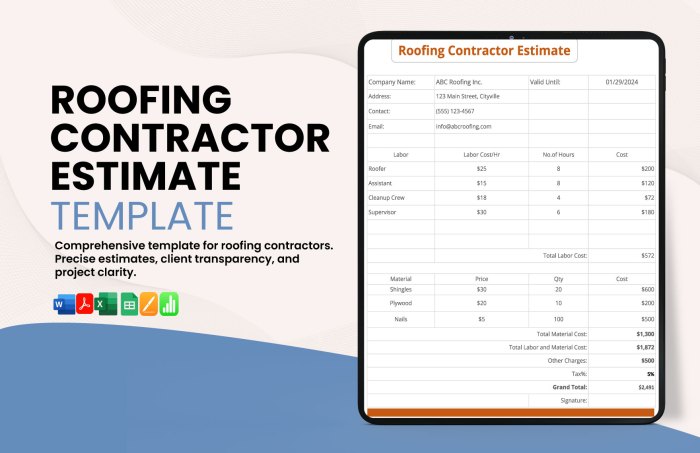
When it comes to estimating the costs of an industrial roofing project, contractors follow a detailed process to ensure accuracy and profitability. This involves calculating material costs, labor costs, overhead expenses, and setting a reasonable profit margin. Here is a step-by-step guide on how contractors typically create a cost estimate for industrial roofing projects.
Determining Material Costs
- Start by calculating the total square footage of the roof that needs to be covered. This will determine the amount of roofing material required.
- Research the cost of the specific roofing material needed for the project. Prices can vary based on the type of material chosen, such as metal, shingles, or EPDM.
- Factor in any additional materials needed for installation, such as adhesives, flashing, or underlayment.
Calculating Labor Costs
- Determine the number of labor hours required for the project based on the size and complexity of the roof.
- Consider the hourly rate of your roofing crew and multiply it by the estimated number of hours needed to complete the job.
- Include any additional labor costs, such as subcontractor fees or overtime pay.
Accounting for Overhead and Profit
- Factor in overhead expenses, such as equipment rentals, insurance, permits, and administrative costs.
- Set a reasonable profit margin based on industry standards and the scope of the project. This margin ensures that the contractor can cover expenses and make a profit.
- Combine material costs, labor costs, overhead expenses, and profit margin to arrive at the total cost estimate for the industrial roofing project.
Cost-saving Strategies for Industrial Roofing Projects
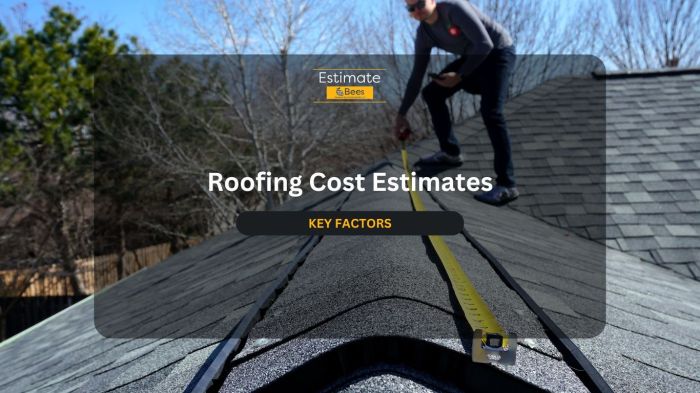
When embarking on industrial roofing projects, implementing cost-saving strategies can significantly impact the overall expenses. By planning ahead and negotiating effectively, project managers can optimize their budget and achieve cost-efficient results.
Benefits of Preventative Maintenance
One key cost-saving strategy for industrial roofing projects is investing in preventative maintenance. Regular inspections and minor repairs can help identify issues before they escalate into costly problems. By addressing small issues proactively, businesses can avoid major repairs or premature roof replacement, ultimately saving money in the long run.
Negotiating with Suppliers and Contractors
Another effective cost-saving strategy is negotiating with suppliers and contractors to secure competitive pricing. By obtaining multiple quotes and comparing offers, project managers can select the most cost-effective options without compromising on quality. Building strong relationships with suppliers and contractors can also lead to discounts or special deals, further reducing project expenses.
Summary
In conclusion, the discussion on industrial roofing cost estimates sheds light on the intricacies of pricing in this sector. By understanding the factors at play and exploring cost-saving strategies, individuals and businesses can make informed decisions when it comes to industrial roofing projects.
Helpful Answers
What factors can influence industrial roofing cost estimates?
Factors such as location, roof size, materials used, and labor costs can significantly impact the overall estimate for industrial roofing projects.
Which are the common materials used in industrial roofing?
Metal, EPDM, TPO, and asphalt are among the commonly used materials in industrial roofing projects.
How are industrial roofing costs typically calculated?
The process involves determining material costs, labor costs, overhead, and profits to arrive at a comprehensive estimate for a project.
What are some cost-saving strategies for industrial roofing projects?
Implementing preventative maintenance, negotiating with suppliers, and careful planning are effective strategies to reduce costs in industrial roofing projects.